How Much Does It Cost to Open a Salon in the USA in 2026?
QuarkBooker Team
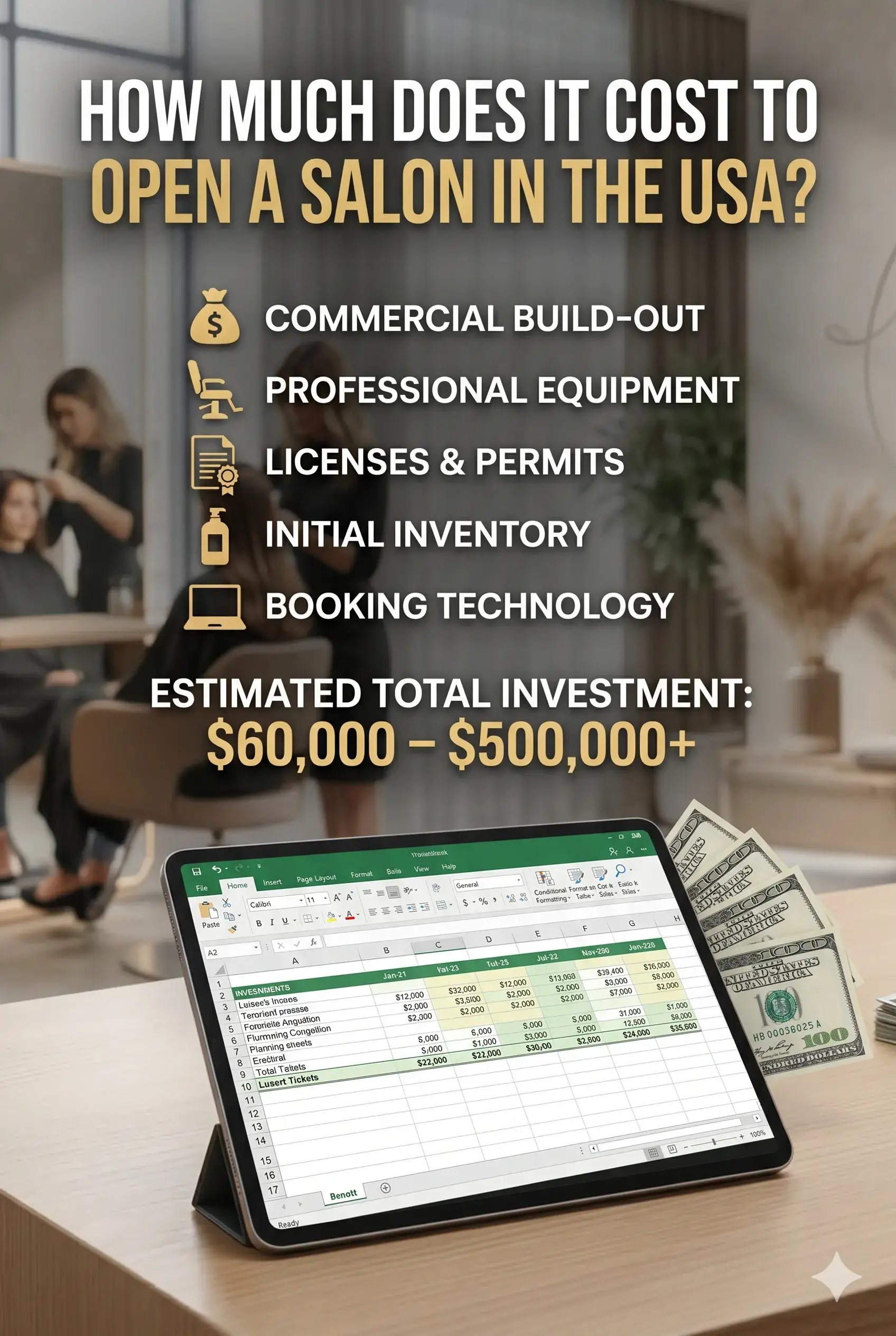
Wondering exactly how much does it cost to open a salon in the USA in 2026? On average, prospective salon owners can expect to invest anywhere from $60,000 to over $500,000. A standard, mid-sized hair salon typically requires a realistic initial investment of around $100,000 to $150,000 to launch successfully. This comprehensive guide breaks down every necessary expense—from commercial real estate and specialized plumbing to technology and initial inventory—giving you an actionable roadmap to budget for your dream salon.
Key Factors Influencing Your Salon Startup Costs
Before diving into the hard numbers, it is crucial to understand that no two salons are identical. Your total startup budget will fluctuate wildly based on three primary variables:
- Location and Real Estate: Renting a boutique space in the Midwest is vastly different from leasing a premium storefront in downtown Manhattan or Los Angeles.
- Business Model: Are you opening a commission-based salon, a booth-rental space, or a high-end hybrid model? Each requires different spatial setups and legal documentation.
- Scale and Services: A specialized lash or blow-dry bar requires less plumbing and heavy equipment than a full-service hair, nail, and esthetics spa.
Comprehensive Breakdown: How Much Does It Cost to Open a Salon in the USA in 2026?
To create a viable business plan, you must categorize your expenses. Here is a detailed look at where your capital will go during the startup phase.
1. Real Estate, Lease Deposits, and Build-Outs
Your physical space will likely consume the largest portion of your initial budget. Commercial landlords typically require a security deposit equal to three to six months of rent.
Beyond the deposit, the "build-out" or remodeling phase is notoriously expensive for salons. Salons require specialized plumbing for washbowls, upgraded electrical panels to handle multiple high-wattage blow dryers simultaneously, and specific ventilation systems to comply with state board regulations.
- Security Deposits: $3,000 – $15,000+
- Plumbing & Electrical Upgrades: $15,000 – $40,000
- Aesthetic Renovations (Flooring, Paint, Lighting): $10,000 – $30,000
2. Salon Equipment and Furniture
Quality furniture directly impacts your client's comfort and your staff's ergonomic health. While it can be tempting to buy cheap equipment, investing in durable styling chairs and reliable wash stations pays off in the long run.
- Styling Chairs & Stations: $200 – $1,000+ per station
- Wash Bowls & Chairs: $500 – $2,500+ per unit
- Reception Desk & Waiting Area: $1,000 – $5,000
- Breakroom Appliances (Washer/Dryer): $1,000 – $2,500
3. Licenses, Permits, and Legal Fees
Operating a legally compliant salon requires navigating a web of state, county, and city regulations. You will need a standard business license, a retail seller's permit, and a specific salon establishment license from your state’s Board of Cosmetology. Working with a business attorney to structure your LLC and review your commercial lease is highly recommended.
The Small Business Administration (SBA) provides excellent resources for understanding local licensing requirements.
- Business Registration & Salon Licenses: $300 – $1,200
- Attorney & CPA Fees: $1,500 – $4,000
- Insurance (Liability, Property, Workers' Comp): $1,000 – $3,000 annually
4. Initial Inventory and Back-Bar Supplies
Before opening your doors, your shelves need to be stocked. This includes the "back-bar" supplies your stylists will use (shampoos, conditioners, styling products, color tubes, bleach, developers) and retail inventory to sell to clients. According to industry insights from the Professional Beauty Association (PBA), retail sales should account for 15% to 20% of your total salon revenue, making initial inventory a vital investment.
- Back-Bar Supplies & Color Bar: $3,000 – $8,000
- Retail Product Inventory: $2,000 – $6,000
- Towels, Capes, and Sundries: $500 – $1,500
5. Technology, POS, and Booking Software
Modern salons cannot survive on pen and paper. Today’s clients expect seamless online booking, automated reminders, and frictionless checkout experiences. Investing in robust technology upfront reduces administrative headaches later.
When setting up your Point of Sale (POS), payment processing fees are a critical consideration. Many modern owners research why Stripe is the best for salons due to its seamless integration capabilities and transparent fee structures.
Furthermore, as consumer expectations shift, salons going digital are outperforming traditional competitors by utilizing cloud-based software. You must ensure your software includes vital salon appointment app features such as inventory tracking, staff scheduling, and robust reporting.
- Hardware (Computers, Tablets, POS Terminals): $1,000 – $3,000
- Software Subscriptions (First Year): $500 – $1,500
6. Marketing, Branding, and Grand Opening
Your salon could be beautiful, but without marketing, the chairs will remain empty. Branding includes your exterior signage, logo design, website development, and social media setup.
- Exterior Signage: $1,000 – $5,000
- Website Design & Branding: $1,000 – $4,000
- Grand Opening Marketing Budget: $1,000 – $3,000
The Hidden Cost: Working Capital
One of the most common reasons new salons fail is a lack of working capital. Industry reports from IBISWorld highlight that the salon industry is highly competitive, and building a loyal clientele takes time.
Working capital is the cash reserve you need to pay rent, utilities, payroll, and yourself during the first six to twelve months while your salon builds momentum and reaches profitability.
Pro Tip: Always calculate your monthly operating expenses and set aside at least six months' worth of working capital in a separate high-yield business savings account. This typically equates to an additional $20,000 to $50,000 on top of your physical startup costs.
Actionable Tips to Keep Your Salon Startup Costs Down
Opening a salon is expensive, but strategic decisions can significantly lower your barrier to entry.
- Look for "Turnkey" Salon Spaces: The fastest way to save $40,000 is to lease a commercial space that was previously a salon. The expensive plumbing and electrical work will already be completed.
- Buy Refurbished Equipment: Salon styling chairs and wash units are built to last. Buying high-quality, gently used equipment from salons that are upgrading or closing can save you up to 50% on furniture costs.
- Negotiate Tenant Improvement Allowances (TIA): When signing a commercial lease for a "vanilla shell" space, negotiate with your landlord to cover a portion of the build-out costs (like flooring and drywall) in exchange for signing a longer lease.
- Embrace Digital Efficiency Early: Using comprehensive software to manage your inventory prevents over-ordering products. Understanding the benefits of digital booking systems helps you operate with a leaner front-desk staff, saving thousands in early payroll costs.
Frequently Asked Questions (FAQ)
What is the average cost to open a small hair salon?
The average cost to open a small hair salon in the US ranges from $60,000 to $120,000. This includes securing a lease, purchasing essential equipment, initial inventory, licensing, and covering basic cosmetic renovations in a space of roughly 1,000 square feet.
Is opening a salon profitable in 2026?
Yes, opening a salon can be highly profitable in 2026, especially for owners who leverage technology to reduce no-shows and optimize retail sales. The average profit margin for a well-managed salon is between 8% and 15%, though specialized niche salons can see margins upwards of 20%.
How much do salon owners make a year in the US?
On average, salon owners in the US make between $70,000 and $120,000 annually. However, this varies widely based on the salon's size, location, and whether the owner also works behind the chair taking clients alongside managing the business.
What are the ongoing expenses of running a salon?
Ongoing expenses include commercial rent, utility bills (especially high water and electricity usage), payroll and commission payouts, inventory restocking, back-bar supplies, insurance premiums, software subscriptions, and continuous marketing efforts.
Can I open a salon with no money?
Opening a traditional brick-and-mortar salon with strictly zero dollars is nearly impossible due to lease deposits and licensing fees. However, you can secure funding through SBA loans, angel investors, or start smaller by renting a salon suite (which requires $2,000–$5,000 upfront) to build capital.
Conclusion
Determining how much it costs to open a salon in the USA in 2026 requires careful planning, diligent market research, and a realistic assessment of your local real estate market. Whether you are bootstrapping a small boutique space for $70,000 or securing SBA funding for a massive $400,000 luxury spa, the key to success lies in preparation.
Focus heavily on securing a great location, negotiating your lease, and building a strong cash reserve for your first year. Additionally, modern salons must rely on streamlined operations to protect their profit margins. Utilizing comprehensive booking and management platforms automates your daily operations, significantly reduces costly no-shows, and enhances the client experience from day one.
Ready to streamline your new salon's operations? Start your journey and organize your business effortlessly by visiting https://app.quarkbooker.com/register.