
How to Manage Salon Staff Without Micromanaging
QuarkBooker Team
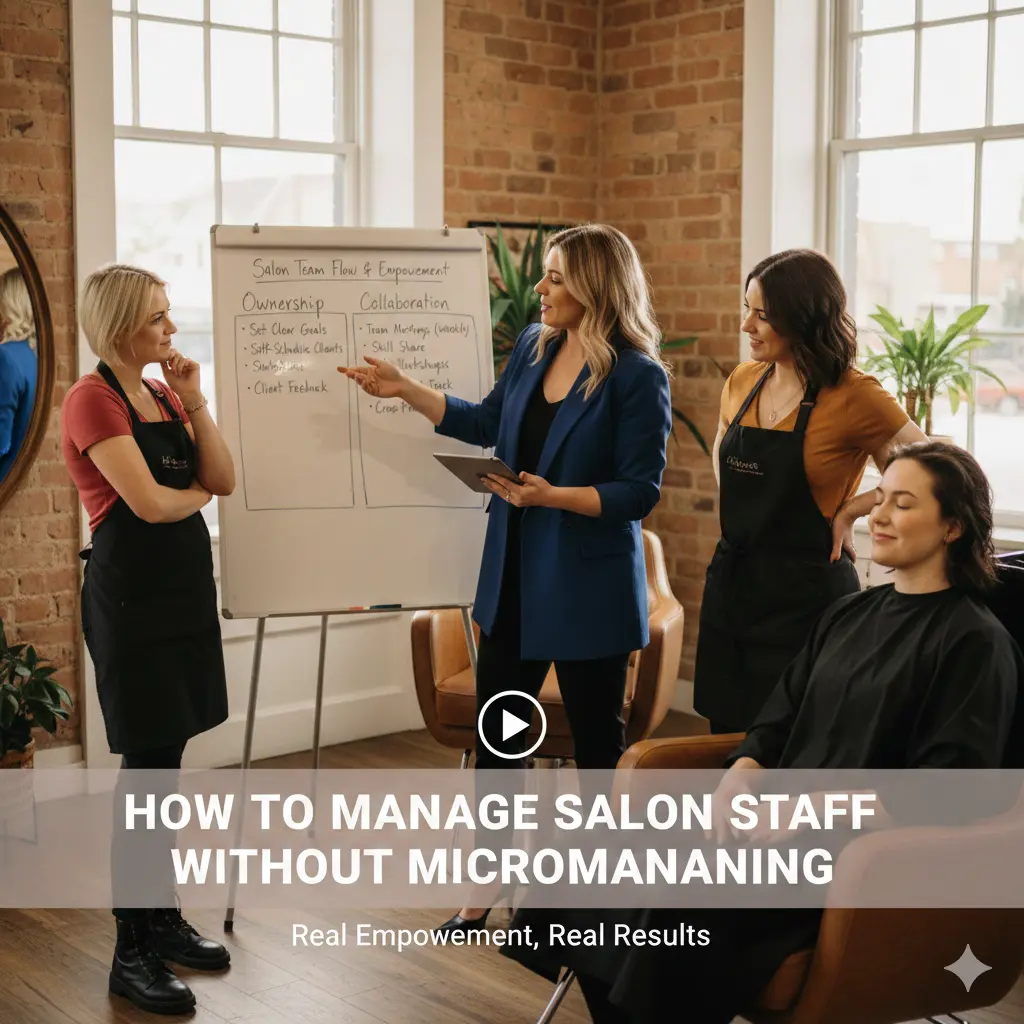
Micromanagement is one of the fastest ways to lose good salon staff — yet many owners fall into it without realizing why.
In most cases, micromanagement doesn’t come from ego or control issues.
It comes from unclear structure, lack of visibility, and fear of things going wrong when the owner steps back.
The most successful salons don’t manage harder.
They manage smarter.
This article explains how professional salons lead their teams with clarity and systems — not constant supervision.
Micromanagement Is a Symptom, Not the Real Problem
Owners often believe they micromanage because staff “don’t care enough” or “don’t follow rules.”
In reality, micromanagement usually appears when:
- Expectations are unclear
- Rules live in the owner’s head
- Performance isn’t visible
When owners don’t trust the system, they compensate by watching people instead.
Leadership research consistently shows that unclear expectations are one of the main causes of workplace tension and disengagement (Harvard Business Review
).
The solution isn’t more control.
It’s better structure.
Clarity Removes the Need for Supervision
Professional salons invest time upfront defining how work should flow.
This includes:
- How bookings are handled
- How long services take
- How schedules are organized
- How client communication works
When staff understand exactly what is expected and how success is measured, owners no longer need to interfere daily.
Clear systems replace constant reminders.
If you’re interested in how structured operations change salon leadership, you’ll find deeper insights on our
👉 /blog
Manage Results, Not Behavior
Micromanagement focuses on behavior:
“Why did you do it this way?”
“Why are you late again?”
“Why didn’t you ask me first?”
Professional management focuses on results:
- Was the client satisfied?
- Was the appointment on time?
- Was the service delivered as defined?
When outcomes are clear, staff gain autonomy — and owners gain peace of mind.
This approach aligns with modern management frameworks used across service industries (SHRM
).
Systems Should Carry Authority — Not the Owner
One of the biggest mistakes salon owners make is becoming the rule enforcer.
When rules are delivered verbally and emotionally, staff experience them as personal pressure.
When rules live inside systems, they feel objective and fair.
Top salons rely on:
- Booking systems to control availability
- Schedules to define working hours
- Service setups to standardize pricing and timing
This removes friction and eliminates daily confrontations.
That’s why growing salons transition to structured platforms instead of relying on memory and follow-ups.
Train Once, Then Trust
Constant correction is often a sign of weak onboarding.
Professional salons:
- Train clearly from day one
- Document expectations
- Provide reference points
After that, leaders step back.
Trust is not blind — it’s earned through preparation.
When staff feel trusted, they act responsibly.
Communication Without Control
Strong leaders don’t repeat instructions.
They communicate standards.
Instead of:
“Don’t forget next time”
They say:
“This is our standard going forward”
This shift removes emotional tension and reinforces professionalism.
Clear communication builds respect — not fear.
Structure Protects Culture
Many owners fear that structure will “kill the salon vibe.”
The opposite is true.
Structure allows:
- Staff to relax
- Owners to stop hovering
- Teams to grow without chaos
Unclear leadership creates tension.
Clear systems create freedom.
Learn more about our philosophy on modern salon leadership and operations on our
👉 /about
The Real Exit From Micromanagement
Micromanagement doesn’t disappear with motivation.
It disappears with structure.
If your salon still depends on:
- Verbal instructions
- Owner presence
- Constant checking
Control will always feel necessary.
If your salon depends on:
- Clear systems
- Visible performance
- Defined expectations
Leadership becomes lighter — and teams become stronger.
👉 Build calm, professional salon operations here: