When to Refer Problems in a Salon (Before They Escalate)
QuarkBooker Team
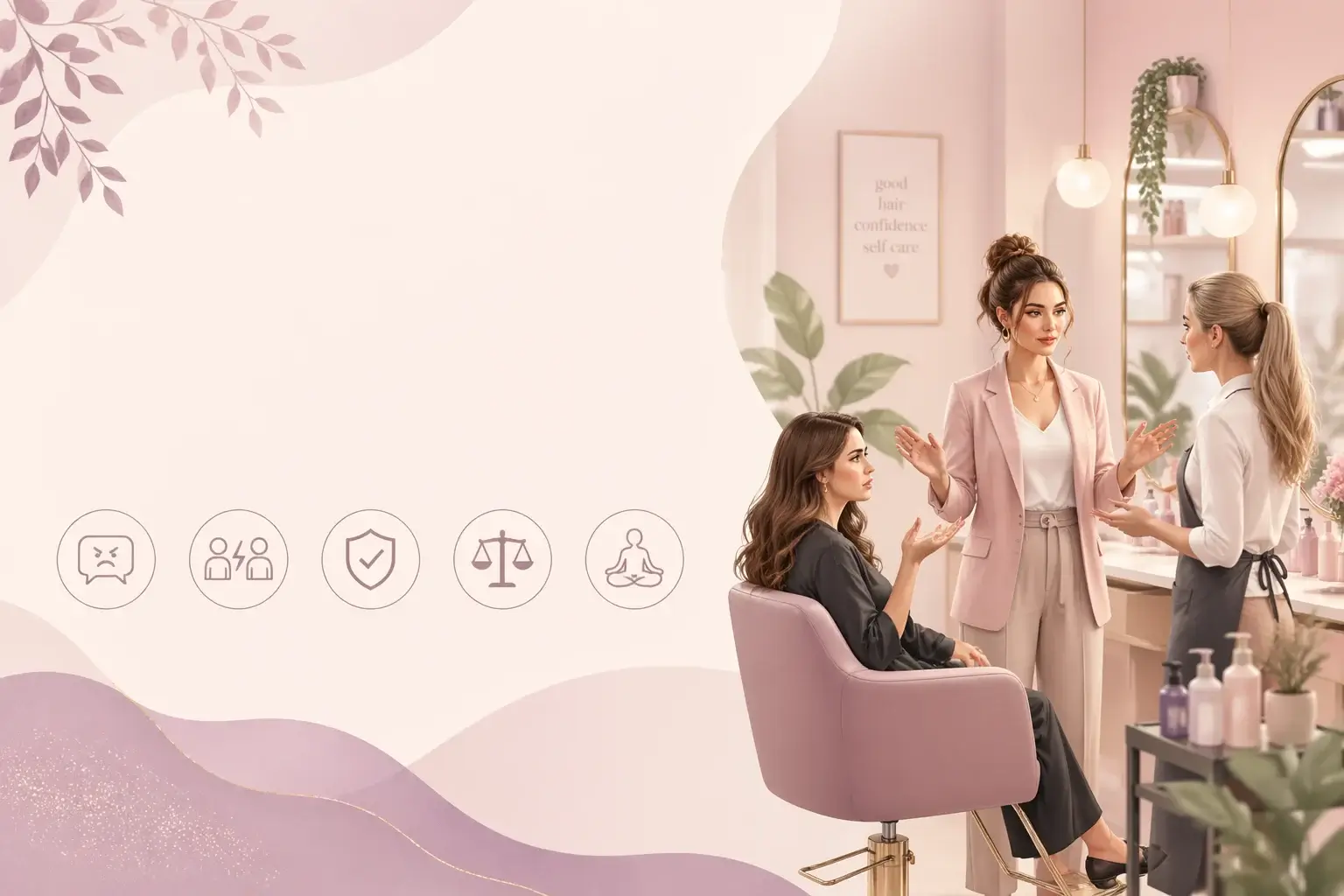
Not every salon problem has a simple, on-the-spot fix. Knowing when to refer problems in a salon to a specialist, manager, or external authority is just as critical as knowing how to solve them yourself. Whether you are dealing with an escalating client complaint, an internal staff conflict, or a situation that exceeds your training, timely escalation protects your team, your clients, and your brand's reputation.
Why Referral is a Sign of Strong Leadership
The pressure to handle every operational friction internally is a heavy burden for salon owners. In reality, attempting to manage situations outside your specific expertise often exacerbates the problem, costing you both clients and valuable staff.
According to a narrative review of 47 studies published in Science Direct, emotional labor in the beauty industry is a leading driver of burnout and turnover.
Absorbing every grievance without a clear escalation strategy places unnecessary, unsustainable strain on your team. High-performing salons rely on clear, documented protocols: some issues are resolved in the chair, others are escalated to management, and some require immediate external intervention.
Identifying the Core Types of Salon Problems
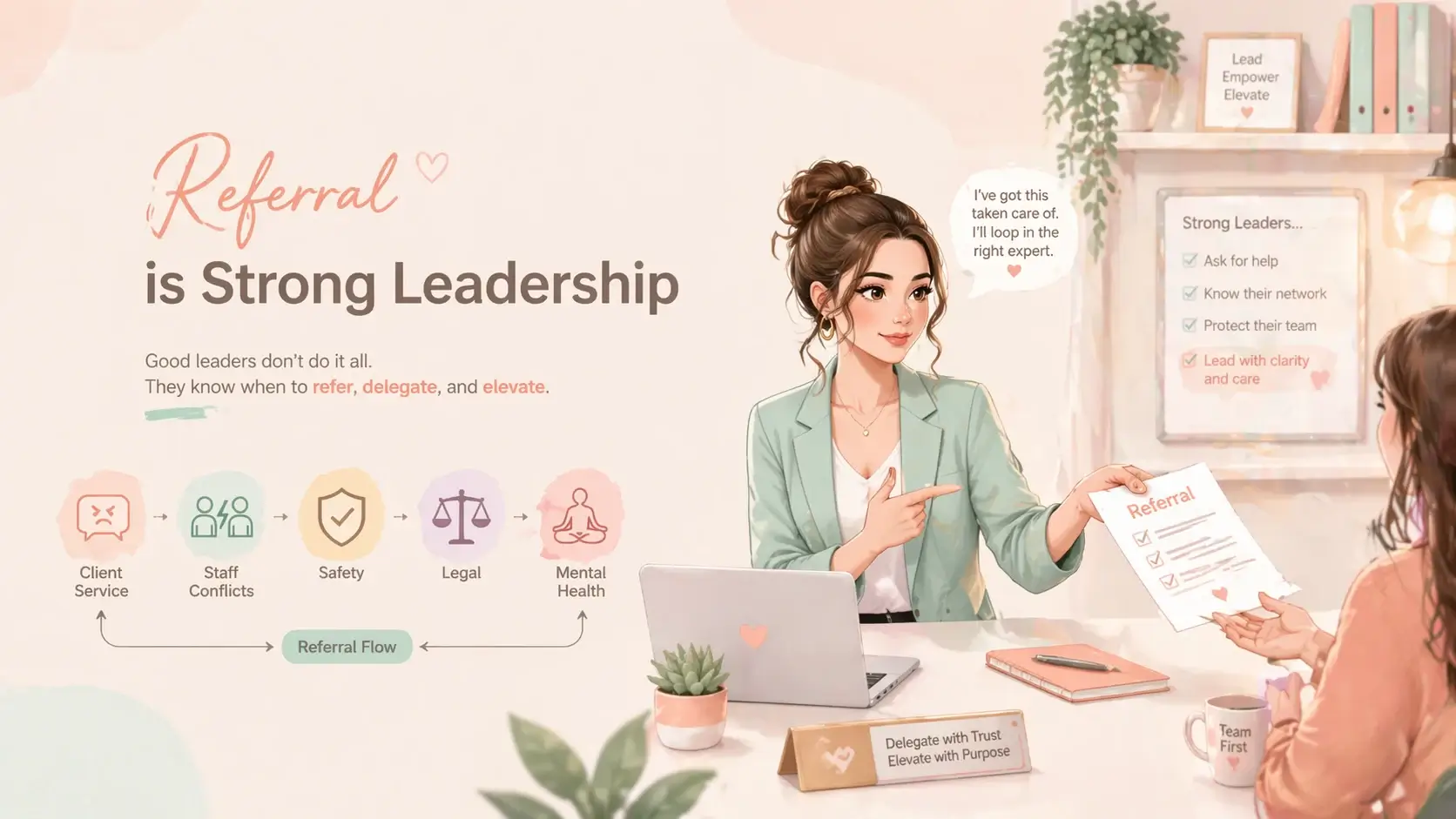
Before you can effectively refer an issue, you must accurately categorize it. Most salon frictions fall into one of five categories:
- Client Service Complaints: Dissatisfaction with a result, pricing disputes, or standard miscommunications.
- Staff Conflicts: Personality clashes, performance deficits, or internal policy violations.
- Health and Safety Incidents: Allergic reactions, physical injuries, or sanitation failures.
- Legal and Compliance Threats: Harassment claims, theft, or data protection breaches.
- Mental Health Concerns: Severe burnout or emotional distress exhibited by staff or clients.
Each category requires a distinctly different threshold for referral.
When to Refer: Clear Signals by Situation
1. Client Complaints Beyond In-House Resolution
Most service complaints—a haircut that feels a bit too short, or a toner that missed the mark—can be resolved through active listening and a corrective offer. Handling difficult salon situations in-house is your first line of defense.
When to Escalate or Refer:
- A client becomes verbally abusive, aggressive, or physically threatening.
- The complaint involves a severe allergic reaction or physical harm.
- A client threatens formal legal action or initiates a credit card chargeback.
- A specific client files repeated complaints that exhaust standard resolution protocols.
Note: For legal threats, refer the issue to your professional liability insurance provider or legal counsel immediately. Do not attempt to negotiate formal settlements independently.
2. Staff Conflicts Outgrowing Your Role
Minor friction between creative professionals is normal. However, unmanaged conflicts can rapidly degrade customer service quality, increase turnover, and tarnish your salon's working environment. The Professional Beauty Association (PBA) emphasizes the importance of structured management to keep the professional beauty industry connected and thriving.
When to Refer to HR or Mediation:
- A team member submits a formal, written grievance.
- The complaint involves allegations of discrimination, harassment, or bullying.
- You, as the owner or manager, are personally involved in the dispute.
- The disagreement involves contract disputes, non-compete clauses, or wrongful termination risks.
If your business does not have an internal HR department, leverage affordable mediation services through local small business associations.
3. Health, Safety, and Allergy Emergencies
In this category, referral must be immediate and non-negotiable. If a client or staff member experiences a severe reaction, chemical burn, or medical emergency, your immediate action is to contact emergency services.
Post-Incident Protocol:
- Document the incident meticulously (time, specific products used, and immediate actions taken).
- Report the event to your local health authority if mandated by regional regulations.
- Notify your business insurance provider.
- Audit your salon operating procedures against OSHA's salon safety guidelines to close operational safety gaps.
4. Team Mental Health and Wellbeing
The beauty industry runs on intense emotional labor; stylists frequently act as confidants and therapists for their clients. Over time, this emotional tax accumulates.
Signs a Team Member Requires Professional Support:
- Persistent withdrawal, irritability, or visibly low mood.
- An uncharacteristic decline in service quality.
- Frequent absenteeism tied to anxiety or stress.
- Overt expressions of feeling overwhelmed or hopeless.
You are a manager, not a licensed therapist. Your role is to foster a safe environment and route employees toward qualified resources, such as an Employee Assistance Programme (EAP) or a medical professional. Reviewing your hair salon rules and regulations for employees to include supportive mental health policies is a strong first step.
Building a Bulletproof Referral Protocol
A documented referral protocol removes hesitation during high-pressure moments. Ensure your salon's operational handbook includes:
- A Tiered Problem Matrix: Clearly define which issues are handled by front-of-house staff, which require a manager, and which trigger external referral.
- An Emergency Contacts Roster: List your insurance provider, local health board, employment mediator, and legal advisor.
- Standardized Incident Logs: Create templates to document the date, involved parties, actions taken, and final outcomes of escalated issues.
- Client-Facing Policies: Clearly display your service correction and complaint policies to mitigate ambiguity before disputes arise.
Aligning these protocols with your salon dress code and staff standards reinforces a culture of overarching professionalism.
Empowering Your Team Through Training
Staff members who lack clear escalation guidelines will either overstep their authority or freeze entirely. Integrate referral training directly into your onboarding process:
- Role-play high-tension client scenarios to practice de-escalation and hand-offs.
- Define the exact difference between a simple service correction and a formal complaint.
- Clarify exactly who holds the authority to issue refunds, implement client bans, or write formal responses.
A confident team, backed by a strong salon loyalty and client retention strategy, will seamlessly navigate daily friction and know exactly when to call for backup.
FAQ: Navigating Salon Escalations
When should a salon owner involve a lawyer? Engage legal counsel when a client or employee explicitly threatens legal action, when a formal complaint involves harassment or discrimination, or when navigating complex contract disputes. Early legal consultation is an investment that prevents costly escalations.
How do you handle a client who is threatening or abusive? Calmly instruct them to lower their voice. If the aggression continues, refuse further service and ask them to leave the premises. Never argue back. Document the incident immediately, and if there is any physical threat, contact local authorities.
What is the difference between handling a complaint and referring it? Handling a complaint means directly resolving it through negotiation and service correction. Referring a complaint means transferring authority to a manager, legal advisor, or health professional because the issue exceeds your immediate resources or training.
Can a salon legally refuse service to a client? Yes. You can refuse service due to safety risks, abusive behavior, or if a requested chemical service compromises the client's hair integrity. Refusals must never be based on protected characteristics (e.g., race, religion, gender). Document your operational reasoning consistently.
Streamline Your Salon Operations
Knowing when to refer problems in a salon is a fundamental leadership skill that safeguards your business's longevity. By establishing clear escalation protocols and training your team on their limits, you ensure that every crisis is met with a professional, measured response.
Operationally, the best way to manage problems is to prevent them. Many client frustrations—double bookings, miscommunications, and unclear pricing—are symptoms of outdated scheduling systems.
Modern salons rely on robust management platforms to automate daily operations, eliminate booking friction, and deliver a seamless client experience from discovery to checkout. Ready to optimize your daily operations and focus on growth? Get started with QuarkBooker here.